Snake Season South Africa: A Hiker’s Guide by Province
You are not the only hiker who has jumped at the sight of a suspicious looking stick laying on a trail. When the days start to get hotter, suddenly that rustle in the grass comes with visions of a black mamba, and you’ll probably find that your eyes are glued to trees and bush that is a little too close for comfort.
During snake season, having a little bit of extra awareness is useful and it can help you keep a cool head as the last thing you want to do is panic.
Snakes are part of nature, and most hikers can enjoy the outdoors safely by understanding when encounters happen most often, where to look and what to do if something goes wrong.

When is Snake Season In South Africa?
Snake activity generally increases during the warmer months, particularly from spring into summer, although snakes can be active outside this period depending on temperature, rainfall and local conditions.
To help you plan your hike around snake season, this is what you should now:
| Province | Hiking conditions to watch | Habits worth having |
| KwaZulu Natal | Warm, humid vegetation and rocky areas | Watch edges of paths and rocks |
| Mpumalanga | Bushveld, grassland and rocky terrain | Use a torch after dark |
| Limpopo | Hot, dry areas and bushveld | Stay on established trails |
| Gauteng | Grassland, rocky ground and warmer days | Check where hands and feet land |
| North West | Bushveld and grassland | Avoid stepping over unseen obstacles |
| Western Cape | Fynbos, rocky slopes and warmer weather | Keep eyes on narrow paths |
| Eastern Cape | Grassland, forest edges and rocky terrain | Scan the trail before each step |
| Free State | Grassland and rocky areas | Wear proper hiking footwear |
| Northern Cape | Arid terrain and rocky habitats | Give animals plenty of space |
This is a very broad breakdown rather than a species list. The best way to find out what snake species live in the area, you should do some specific research on the hiking trail, and, if possible, talk to the trail owner or someone familiar with the trail.
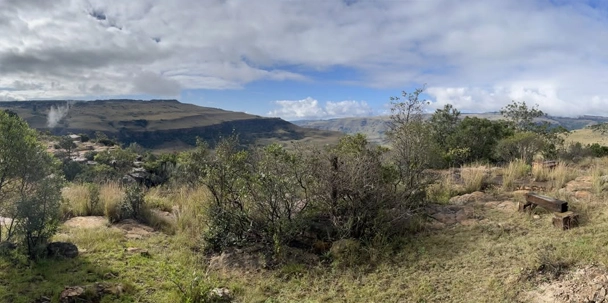
Where Do Hikers Encounter Snakes Most?
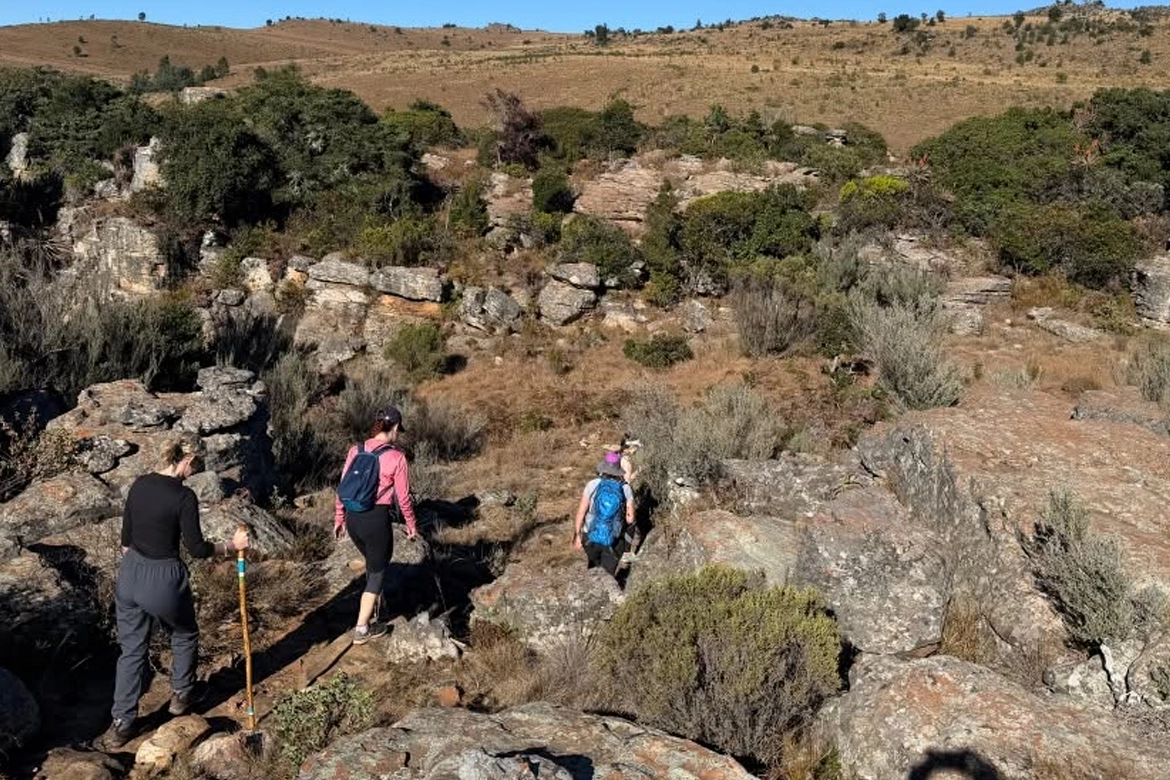
Snakes tend to like places that will give them shelter, warmth, prey or an easy escape route. So, rocks, thick vegetation, logs, holes and piles of debris are all snake heaven.
The best thing you can do when hiking and wanting to avoid snakes is to look carefully before placing a hand or foot.
This is especially important when you are climbing over rocks, reaching into vegetation, sitting beside logs or walking through tall grass.
What Should Hikers Wear During Snake Season?
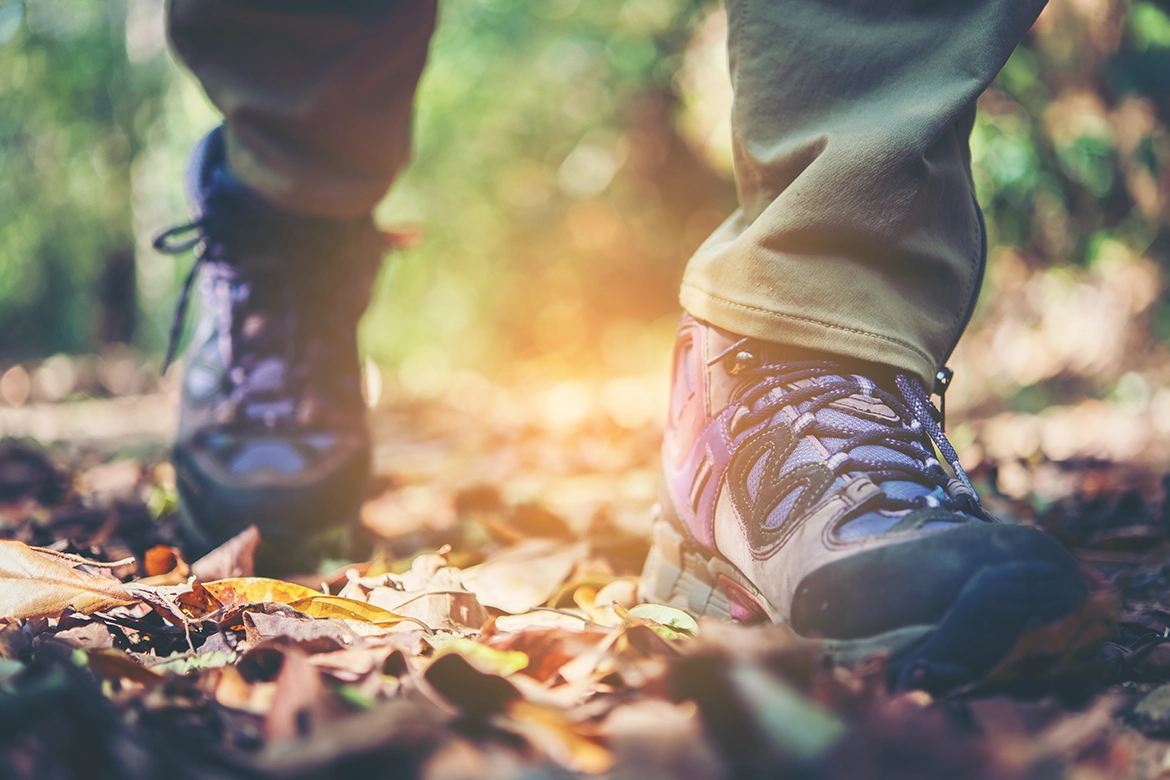
Closed hiking shoes or boots, long trousers and sensible trail clothing will give you good protection from vegetation, rough ground and accidental contact with a slithering reptilian.
A walking stick might also come in helpful as you make your way through the dense vegetation, but it is not the best tool for poking at wildlife.
A snake that feels threatened is a snake that needs more space, a lot more space.
What Happens if you See a Snake?
Stop, give it some distance and let the snake move away. Do not attempt to identify it at close range, catch it, corner it or take a photograph from a risky position.
Most snake encounters happen without drama, when you give the snake room. For most, all they want to do is get as far away from you as possible, because while the snake is scary to you, you are by far more terrifying to it.
What To Do Should You Get Bitten by a Snake
If you or someone you are hiking with suspects a snakebite, treat it as the medical emergency it is. Keep the person (or yourself) as still and calm as possible, look for emergency medical assistance immediately and follow professional medical advice.
Do not cut the wound, suck out venom, apply ice or attempt to catch the snake.
You should also have an emergency number on saved on your phone and check mobile reception before setting out. A hiking group also benefits from knowing the exact trail name and access point, making it easier to communicate your location during an emergency.
Habits to Keep You Safe
You don’t have to walk around nervously; you just need to be aware of your surroundings.
Before a hike, check the weather and trail conditions. During the walk, stay alert around rocks, long grass and dense vegetation. At night, carry a reliable torch. And never, ever put your hands into holes or beneath objects that cannot be seen clearly.
And if a snake appears on the trail? Pause. Step back. Let it have the path.
That simple response will protect both the hiker and the animal.
For guests staying at Bermanzi, time spent in the South African bush is part of the experience. Respect for wildlife is therefore not an afterthought. It is part of enjoying the landscape responsibly, calmly and with a little more knowledge than when the boots first hit the trail.